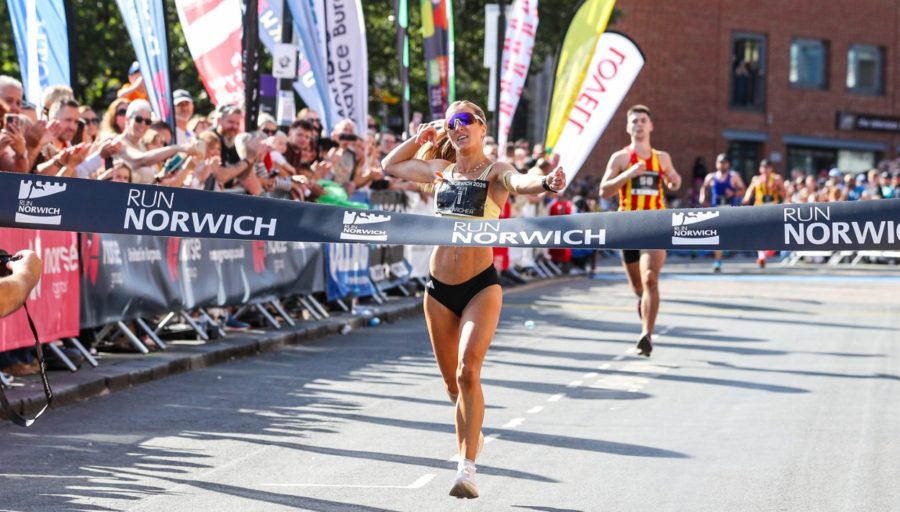
We hear it all the time in our clinics: “I hadn’t run for a long time but decided to start again. I was ok up to 4km but then it started hurting”
Running is a great thing to do, it keeps you active and healthy, increasing your endorphins to make you feel better and it challenges you. We should all do it.
The problem is it also puts more load through your body from your feet to your ankles, knees, hips and back.
What is load?
The term ‘load’ is used a lot in professional sports, it is a combination of the intensity of an activity and the duration.
Low load = a light jog for 5 minutes
High load = repeated sprints for 10minutes
But it is also the amount that you do per week, month or year
Low load = Easy jog every 3 days for 2 weeks
High load = Faster run every day for 2 months
Why is it important?
Because the body can only take so much before it breaks!
Understanding load means you can plan your training schedule and spread the load, so you don’t overdo it and hurt yourself.
How should I use load to plan your training
It all depends where you are now…
If you haven’t run for years but have signed up for Run Norwich then, firstly, well done you! (come and see us before and after the run, you’ll deserve your massage!) but secondly, it’s not a great idea to plan a 10km run for your first training session. Your load on that day will be very high as will be your chances of hurting yourself.
It would also not be smart to go and run every day for the next three weeks in the thought that it will automatically make you a good runner. Your load over those weeks will also be very high, again increasing your chances of hurting yourself.
Instead start with some slow, short jogs with some periods of rest (you don’t need to just run constantly for the whole duration of the session, break it up) and give yourself a recovery day between runs so that your weekly load isn’t too high.
You can then slowly build up over time, increasing the distance and speed of your training whilst still giving yourself some rest days so as not to overload your body during each session, week or month.
If, however, you complete a 5km ParkRun every week then your body will be used to doing slightly more already so you can start with a higher daily load and build up gradually between now and the big day. It is still important, however, to make sure your weekly and monthly load isn’t too high. We recommend you get yourself a diary and plan/record your sessions. If you know what you have done and when over the last weeks and months, you can plan your future training loads accordingly.
What else can I do to help?
The increased load going through your body when you run is absorbed by your joints and muscles. This means the best way to protect your joints and absorb more load is to increase your muscle strength.
Strength training? But I’m a runner…
Strength training and running have long been seen as two distinct entities that do not and should not mix. There are many misconceptions about strength training that keep those who pound the pavement away from building strength.
The fact is strength training has significant benefits to runners. These include:
- Reduction in soft tissue injuries
- Protection of joints of the lower limb
- Improved muscle strength and therefore power output
- Improved running economy, resulting in a reduction in fatigue throughout the run
- Improved running times
So what exercises should I start with? Bicep curls?
No, they’re optional and for the race photographs only!
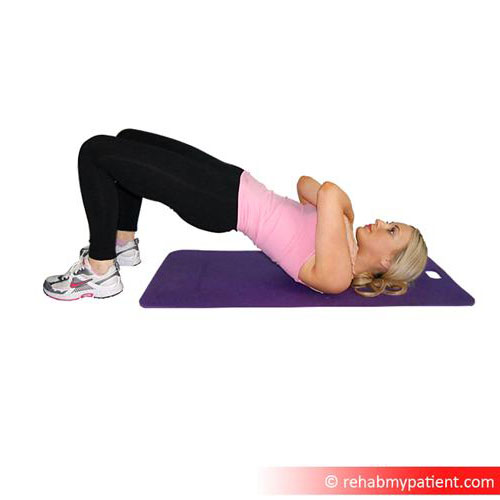
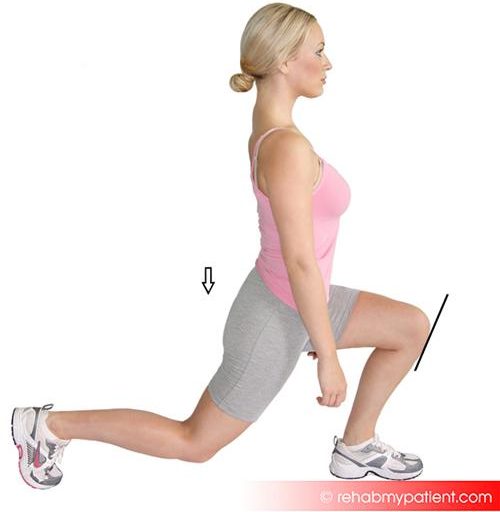
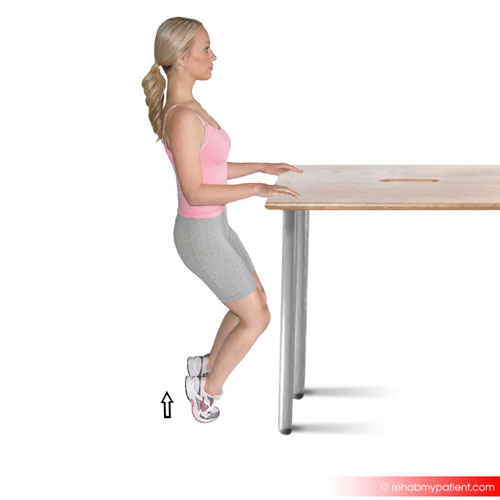
Strength training doesn’t mean lifting heavy things, keep it specific to running. Below is our favourite beginners programme that everyone can do to help absorb the load without needing any special equipment.